
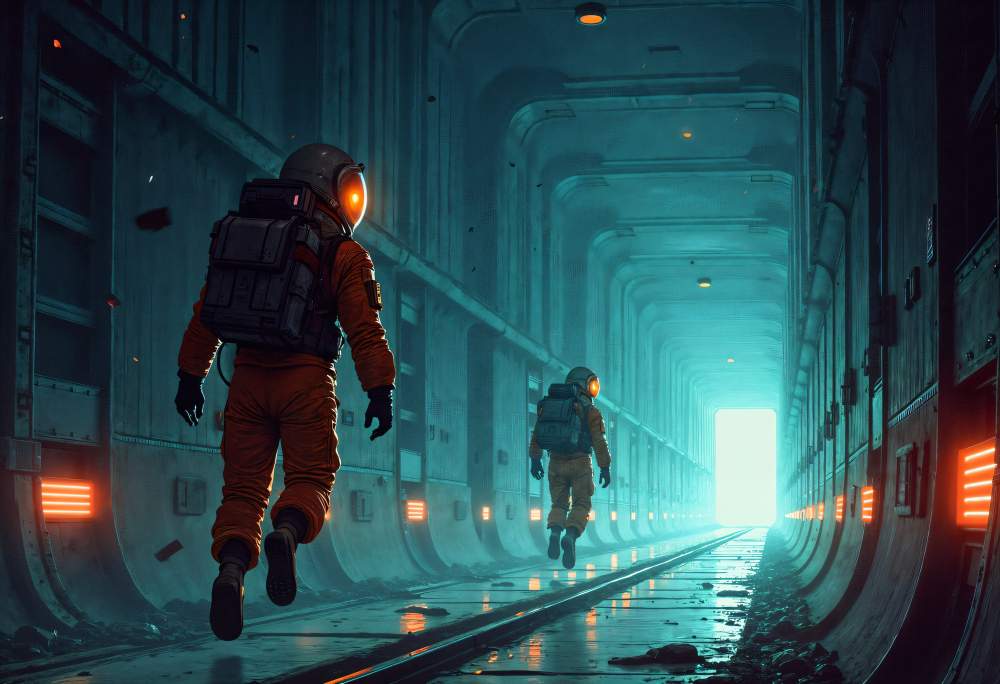
Science fiction movies have long captivated audiences, taking them on extraordinary journeys through time, space, and the realms of human imagination. From the pioneering works of early cinema to the visually stunning blockbusters of today, science fiction has evolved into a genre that not only entertains but also provokes thought and discussion about the future of humanity, technology, and the universe. This post will explore the history, themes, and impact of science fiction films, highlighting some of the most iconic movies that have defined the genre.
A Brief History of Science Fiction Cinema
The roots of science fiction in cinema can be traced back to the late 19th century. One of the earliest examples is Georges Méliès’ 1902 silent film “A Trip to the Moon”, which features imaginative visuals and a whimsical storyline about a voyage to the moon. This film set the stage for the genre, inspiring future filmmakers to explore the unknown.
As technology advanced, so did the storytelling capabilities of filmmakers. The 1950s marked a significant turning point for science fiction movies, with the rise of “B-movies” that often featured alien invasions, nuclear war, and dystopian futures. Films like “The Day the Earth Stood Still” (1951) and “Forbidden Planet” (1956) reflected the anxieties of the Cold War era while also showcasing the genre’s potential for social commentary.
The 1960s and 1970s ushered in a new wave of science fiction cinema, with filmmakers experimenting with narrative structure and visual effects. Stanley Kubrick’s “2001: A Space Odyssey” (1968) is often regarded as a masterpiece of the genre, pushing the boundaries of special effects and philosophical storytelling. The film’s exploration of human evolution, artificial intelligence, and the unknown has left a lasting impact on both science fiction and cinema as a whole.
In the late 1970s, “Star Wars” (1977) revolutionized the genre and the film industry. George Lucas’ epic space opera combined cutting-edge visual effects with a classic hero’s journey narrative, capturing the hearts of audiences worldwide. The success of “Star Wars” paved the way for a new era of science fiction films, leading to franchises, merchandise, and a global fanbase.
Key Themes in Science Fiction
One of the defining features of science fiction movies is their ability to explore complex themes that resonate with contemporary society. Here are some prevalent themes often found in the genre:
Technology and Its Consequences: Many science fiction films delve into the relationship between humanity and technology. Movies like “The Matrix” (1999) and “Ex Machina” (2014) explore the implications of artificial intelligence and virtual reality, raising questions about consciousness, identity, and the potential dangers of unchecked technological advancement.
Space Exploration: The vastness of space has always fascinated filmmakers. Movies like “Interstellar” (2014) and “Gravity” (2013) take audiences on breathtaking journeys through the cosmos, while also addressing themes of time, relativity, and the human experience. These films reflect humanity’s innate desire to explore the unknown and our quest for understanding in the face of infinity.
Dystopian Futures: Many science fiction movies portray bleak, dystopian futures where society has broken down due to war, environmental collapse, or oppressive regimes. Films such as “Blade Runner” (1982) and “The Hunger Games” (2012) depict worlds where survival is a struggle, serving as cautionary tales about the consequences of our actions today.
Alien Life: The existence of extraterrestrial beings is a common theme in science fiction. Movies like “Close Encounters of the Third Kind” (1977) and “Arrival” (2016) explore the potential for communication and understanding between humans and aliens, often challenging preconceived notions about humanity’s place in the universe.
Time Travel: The concept of time travel is a fascinating aspect of science fiction. Films such as “Back to the Future” (1985) and “Looper” (2012) use time travel as a narrative device to explore causality, fate, and the impact of our choices on the future.
Iconic Science Fiction Movies
While there are countless science fiction films that have left their mark on the genre, here are some iconic movies that stand out for their storytelling, innovation, and cultural significance:
“Blade Runner” (1982): Directed by Ridley Scott, this neo-noir film set in a dystopian future raises questions about what it means to be human. The film’s stunning visuals, atmospheric score, and philosophical themes have cemented its status as a classic.
“The Matrix” (1999): A groundbreaking film that blends action with philosophical inquiry, “The Matrix” explores themes of reality, perception, and freedom. Its innovative special effects, including the iconic “bullet time,” have influenced countless films and media.
“Inception” (2010): Christopher Nolan’s mind-bending thriller takes audiences on a journey through dreams and subconsciousness. With its intricate plot and stunning visuals, “Inception” challenges viewers to question the nature of reality and the power of the mind.
“Interstellar” (2014): Another masterpiece from Christopher Nolan, “Interstellar” combines breathtaking visuals with a poignant exploration of love, sacrifice, and the survival of humanity. The film’s accurate portrayal of scientific concepts, such as black holes and time dilation, has been praised by scientists and audiences alike.
“Arrival” (2016): Directed by Denis Villeneuve, this thought-provoking film explores communication with extraterrestrial beings and the nature of time. With its emotional depth and philosophical undertones, “Arrival” challenges viewers to consider the complexities of language and understanding.
The Impact of Science Fiction on Society
Science fiction movies have the power to shape public perception and influence cultural discourse. They provide a platform for exploring ethical dilemmas, societal challenges, and potential futures. As technology continues to advance at an unprecedented pace, science fiction serves as a mirror, reflecting our hopes, fears, and aspirations.
Moreover, science fiction has inspired real-world innovations. Many technologies that were once considered mere fantasy—such as virtual reality, artificial intelligence, and space exploration—have become a reality due to the imaginative visions presented in films. The genre encourages creativity and curiosity, pushing the boundaries of what is possible.
Conclusion
Science fiction movies are more than just entertainment; they are a reflection of humanity’s imagination, creativity, and quest for knowledge. From their early beginnings to the technological marvels of today, science fiction films have evolved into a rich and diverse genre that captivates audiences and provokes critical thought.
As we continue to explore the mysteries of the universe and grapple with the implications of our technological advancements, science fiction will undoubtedly remain a vital part of our cultural landscape, inspiring generations to come.